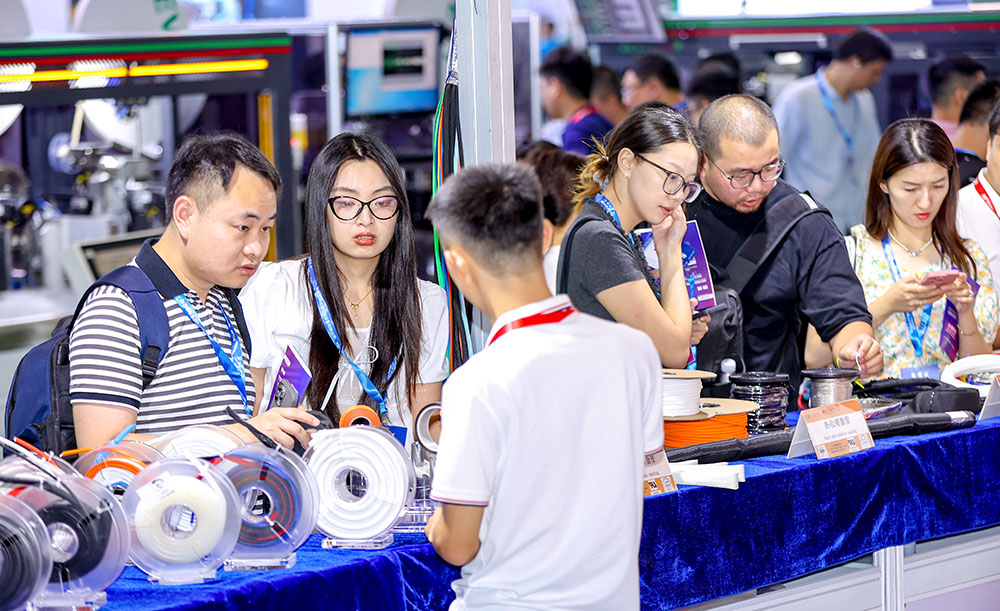
Recently, the Shenzhen International New‑Energy Connector & Wire‑Harness Processing Technology Exhibition concluded at Shenzhen World Exhibition & Convention Center. Co‑located with the well‑established ICH Connector & Harness Show, this event gathered over 700 exhibitors and tens of thousands of professional visitors covering new‑energy vehicles, energy storage, charging piles and wire‑harness manufacturing sectors.
Industry engineers, procurement managers and solution providers came together to showcase new hardware, processing equipment and discuss real‑world manufacturing challenges. Below we summarize the core exhibition highlights and major industry directions reshaping the connector and harness space.
Exhibition Core Highlights
The show covers the full interconnection supply chain: new‑energy connectors, high‑voltage & high‑speed wire harnesses, processing machinery, tooling fixtures, testing systems and insulation auxiliary materials.
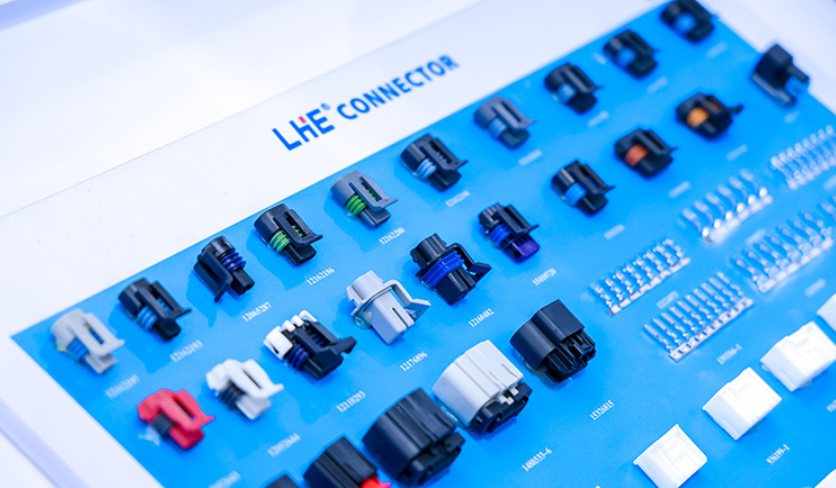
- Product focus: Vehicle‑grade high‑voltage connectors, energy‑storage & PV connectors, 800V high‑voltage harnesses, automotive Ethernet harnesses, busbars and liquid‑cooled interconnection components for fast charging drew the biggest attention.
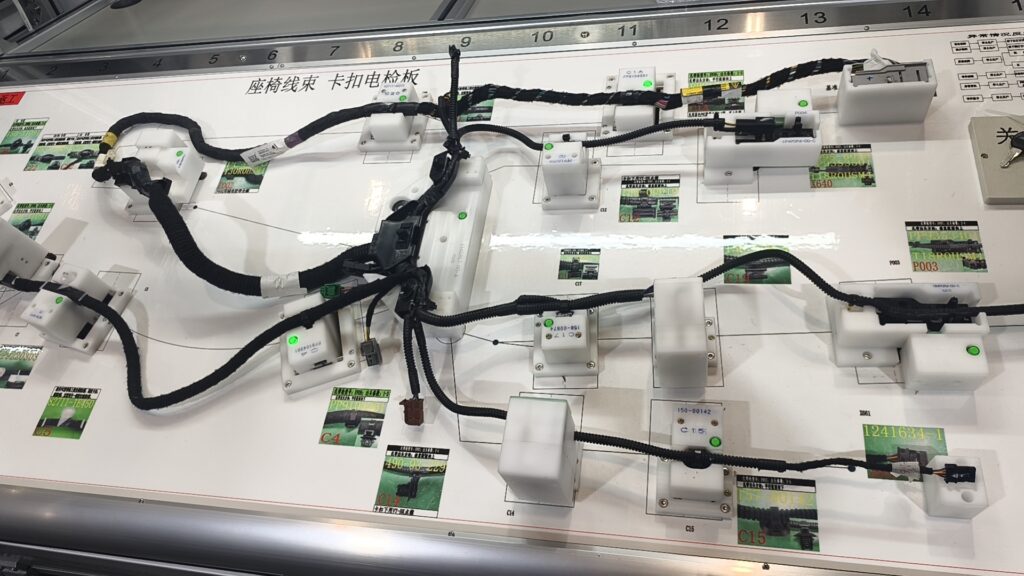
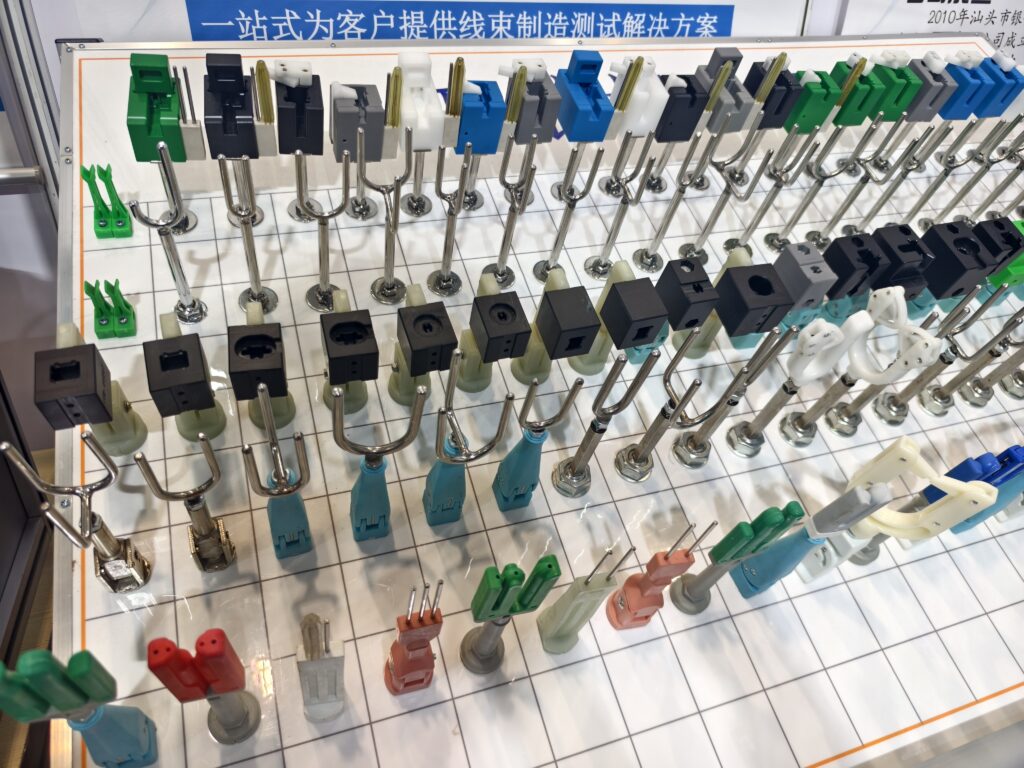
- Manufacturing & testing: Wire stripping & crimping machines, custom harness assembly fixtures, continuity‑conductance test benches and visual inspection solutions were heavily in demand. Many harness factories are seeking flexible tooling to upgrade existing production lines.
- Technical forums: Hot‑topic sessions covered 800V platform safety, high‑speed signal integrity, regional‑modular harness architecture and localization of automotive‑grade interconnection solutions.
- Visitor profile: Key attendees include EV OEMs, energy‑storage integrators, harness assembly houses, connector manufacturers and equipment suppliers. Major concerns include high‑reliability component selection, production‑line automation and local‑supply‑chain substitution.
Main Industry Development Trends
1. High‑voltage upgrade: 800V platform and liquid‑cooled solutions for ultra‑fast charging
800V high‑voltage vehicle platforms are gaining larger market penetration. This pushes higher requirements for connectors and harnesses in terms of voltage resistance, temperature resistance and EMC performance. Liquid‑cooled connectors and liquid‑cooled harnesses become mainstream for 4C ultra‑fast charging applications.
Higher voltage brings stricter safety requirements: high‑voltage interlock protection, insulation performance and heat dissipation must be fully validated. Accordingly, custom harness fixtures and reliable conduction‑testing equipment are essential for quality assurance on production floors.
2. High‑speed interconnection driven by intelligent driving
With domain‑based electronic architecture widely adopted, automotive Ethernet and high‑speed connectors are growing rapidly. Modern harness systems carry not only power but also massive sensor and ADAS data. Shielding performance and low signal attenuation become critical technical thresholds for high‑speed harness manufacturing.
3. Light‑weighting trend: aluminium‑for‑copper material transition
To reduce vehicle weight and control material cost, aluminium‑for‑copper replacement keeps advancing across the industry. Core challenges lie in copper‑aluminium welding and anti‑corrosion treatment. Busbars and new‑type insulating materials are widely adopted to achieve weight reduction and cost optimization.
4. Harness architecture shifts toward modularization & intelligence
Traditional distributed wiring is gradually replaced by regional modular harness designs, cutting cable quantity and assembly complexity. New‑generation harnesses are embedded with sensing functions to support real‑time fault diagnosis.
This transformation requires production lines to become more flexible. Custom assembly jigs, positioning fixtures and automated test stations are increasingly necessary for mixed‑model production. Labour‑intensive manual harness assembly is shifting toward digital and automated workflows.
5. Supply‑chain localization & global‑oriented capacity
Domestic manufacturers keep making breakthroughs in high‑voltage and high‑speed connector and harness sectors. Localization extends from core components to processing equipment, tooling fixtures, testing solutions and raw materials. Chinese interconnection‑solution suppliers are expanding business to global EV and energy‑storage markets.
Opportunities for Harness Manufacturing
- Growth momentum is concentrated in high‑voltage harnesses, high‑speed data harnesses and energy‑storage harnesses, while conventional low‑voltage harness markets see slower growth.
- Flexible custom fixtures, continuity‑conductance test benches and visual inspection systems are rising‑demand equipment.
- Automotive‑grade reliability, high‑voltage safety validation and aluminium‑harness processing capability have become key competitive advantages for manufacturers.
Final Thoughts
This Shenzhen exhibition reflects the clear direction of the interconnection industry: higher voltage, higher transmission speed, lighter weight, modular architecture and higher automation level.
For harness factories and solution providers, keeping pace with these technical shifts and investing in reliable custom tooling and testing infrastructure will be vital to compete in the global new‑energy market.
If you are looking for custom wire‑harness assembly fixtures, positioning jigs or conduction‑testing solutions for EV / energy‑storage harness projects, feel free to [contact us].