
Six Recalls, One Common Industry Lesson
A review of six vehicle recall cases reported in October reveals a recurring pattern. The problems were not necessarily caused by the wire itself. Instead, routing, protection, mounting, and installation conditions played important roles.
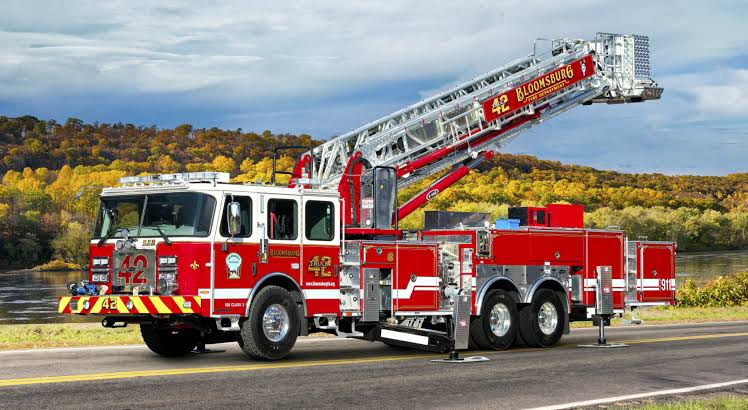
In the United States, E-One recalled 301 fire trucks because a positive power connection could become loose, potentially overheating the wiring harness and busbar. Forest River recalled 738 recreational vehicles because a slide-out switch installation lacked overcurrent protection, creating a potential fire risk.
Alliance RV recalled 3,686 vehicles because the fuse protecting an electric seat power circuit was undersized. Blue Bird recalled 18,248 school buses after a 12V power wire could wear through and short-circuit, potentially disabling the taillights and warning lights.

The largest case involved 265,512 Ram ProMaster vehicles.
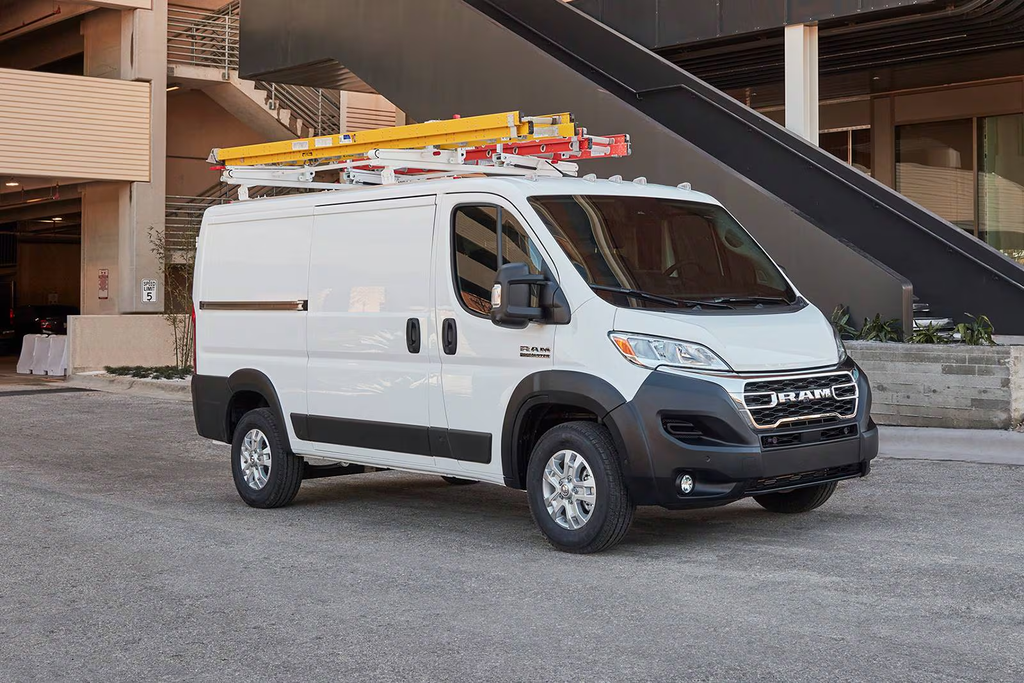
Water could enter the electric power steering harness, potentially causing a loss of steering assistance. In China, NIO recalled 686 firefly vehicles because interference between the steering-column torque sensor harness and the sensor rotor could affect steering assistance under extreme conditions.
These cases differ in scale, but several failure modes recur: abrasion, interference, water ingress, overheating, and short circuits.
The Common Factor: Harness Installation Conditions
A wiring harness is not an isolated component. It runs through different areas of a vehicle, passes through sheet-metal openings, approaches heat sources, and may sit beside moving parts. Its service conditions are strongly influenced by vehicle packaging and assembly design.
In a production facility, measurable quality controls include crimp height, terminal retention, electrical continuity, and dimensional tolerances. However, the final routing path, clearance from surrounding components, protection at pass-through points, and installation of circuit protection also matter.
These factors may be determined during engineering design, fixture development, and vehicle assembly. A harness can meet its drawing requirements while risks remain in the environment where it is installed.
Where Assembly Tooling Can Make a Difference
Not every recall can be prevented by a fixture. Fuse selection, connector sealing, and vehicle-level electrical design require appropriate engineering controls. Nevertheless, assembly tooling can help reduce preventable variation in manufacturing.
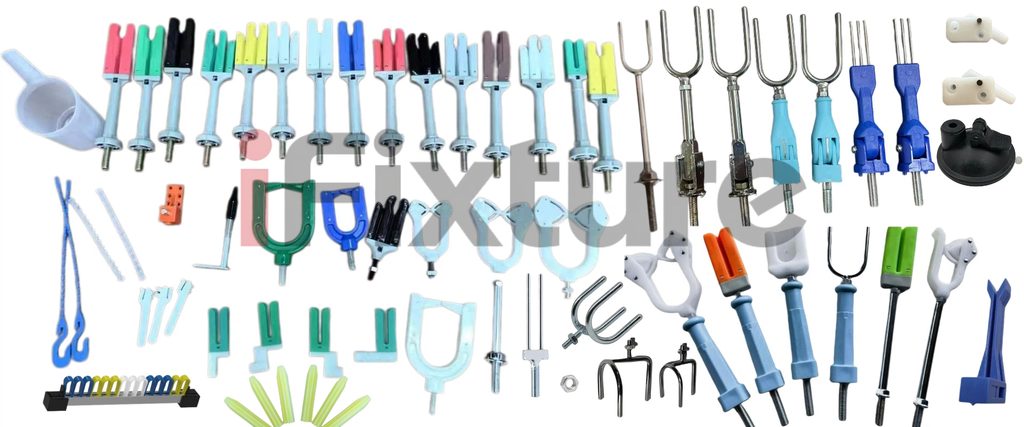
Wire harness fixtures, positioning forks, clamps, and dedicated tooling can support repeatable routing and component placement. Modular fixture systems and table components can help adapt assembly stations to different harness configurations. Bending fixtures and positioning aids can also help operators follow defined paths more consistently.
Where abrasion or interference risks have been identified, routing checks and clearance verification should be incorporated into the relevant engineering and assembly process. Fixture design should support those requirements rather than replace engineering validation.
From Production Quality to Design-for-Assembly
The opportunity lies in bringing tooling suppliers and Gurtbandhersteller into the process earlier. During design reviews, teams can examine routing paths, mounting points, clearances, protective sleeves, and assembly sequence requirements before production begins.
This approach can improve repeatability and make potential assembly risks easier to identify. It can also create opportunities for customized wire harness tooling, positioning fixtures, and assembly aids tailored to specific harness models.
For automotive manufacturers and harness suppliers, the objective is not simply to produce a harness that passes inspection. It is to ensure that the harness can be installed consistently and protected throughout its service life.
The Question for the Industry
Automation, cycle time, and labor efficiency remain important priorities in wire harness manufacturing. Yet vehicle-level routing, mounting, and protection still require careful engineering decisions.
The next step is closer cooperation between vehicle designers, harness manufacturers, assembly engineers, and tooling suppliers.
Who takes responsibility for the space between the harness drawing and the actual installation?
At iFixture, we provide wire harness fixtures, tooling, jigs, clamps, forks, and customized assembly aids to support repeatable wire harness manufacturing. By addressing positioning and assembly requirements earlier, manufacturers can build a stronger link between design intent and production practice.
Explore our solutions at https://www.i-fixture.com/.