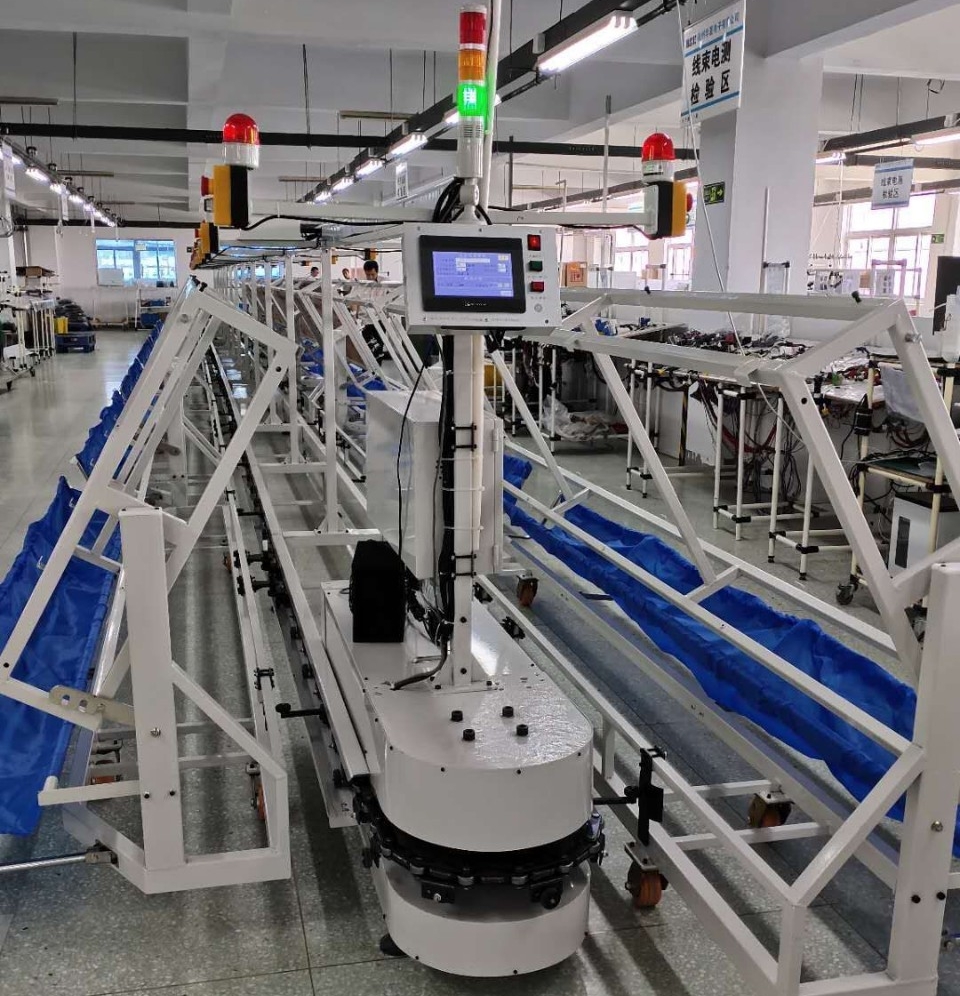
The global layout of automotive wiring harness factories features “core regional agglomeration + localized supporting production”, with labor-intensive capacity shifting to low-cost regions, and high-end R&D and high-value-added production capacity anchored in the core areas of the global automotive industry. It forms a pattern of Asia-Pacific as the production core, Europe and North America for high-end layout, and emerging markets undertaking capacity transfer, with all production bases closely matching the supply chains of local automakers for localized supporting services.
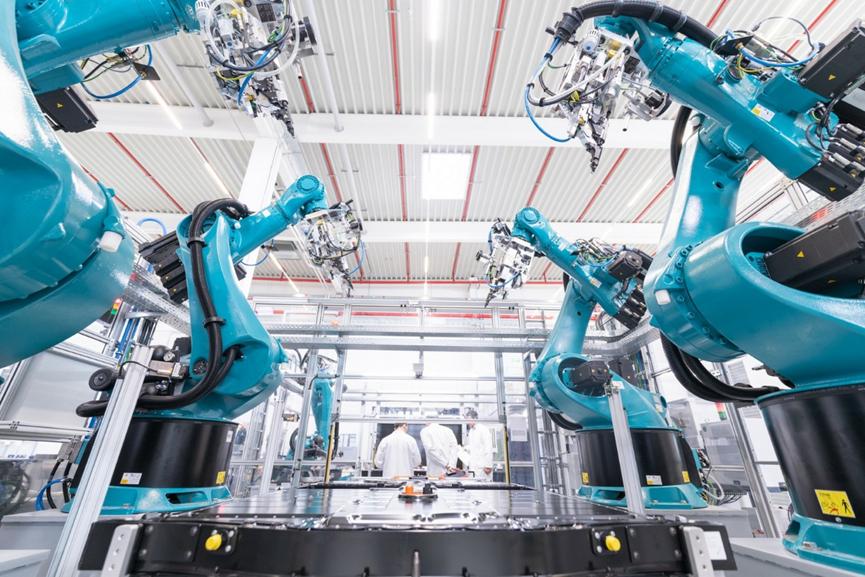
I. Asia-Pacific: The World’s Core Production Hub (Over 55% of Global Capacity)
China: The World’s Largest Production Base (≈40% of Global Capacity)
Core clusters are in the Yangtze River Delta (Jiangsu, Shanghai), Pearl River Delta and Chengdu-Chongqing City Cluster. It accounts for the core production capacity of both mid-to-low end general wiring harnesses and new energy high-voltage/high-speed wiring harnesses, gathering leading domestic and foreign enterprises, and supporting mainstream automakers such as Tesla, BYD and Volkswagen.
Japan: Core of High-End Technology and R&D
Factories are concentrated in Tokyo, Nagoya and Shizuoka, the global headquarters of Yazaki, Sumitomo Electric and Furukawa Electric. It focuses on the R&D and precision manufacturing of high-voltage, high-speed and lightweight wiring harnesses, with the world’s leading automation rate.
South Korea: Core for Local Automaker Supporting
Bases are distributed in Seoul, Ulsan and Incheon, with Yura and Kyungshin as the core players. It mainly provides supporting wiring harnesses for Hyundai/Kia whole vehicles, and simultaneously lays out high-end wiring harnesses for new energy vehicles.
Southeast Asia & India: Low-Cost Capacity Undertaking Zones
Vietnam, Thailand and Malaysia are the main destinations for the capacity transfer of Japanese wiring harness enterprises, supporting the Southeast Asian production capacity of Toyota and Honda. Bases in Delhi and Bengaluru, India, serve local automakers and gradually undertake the transfer of global low-end production capacity.
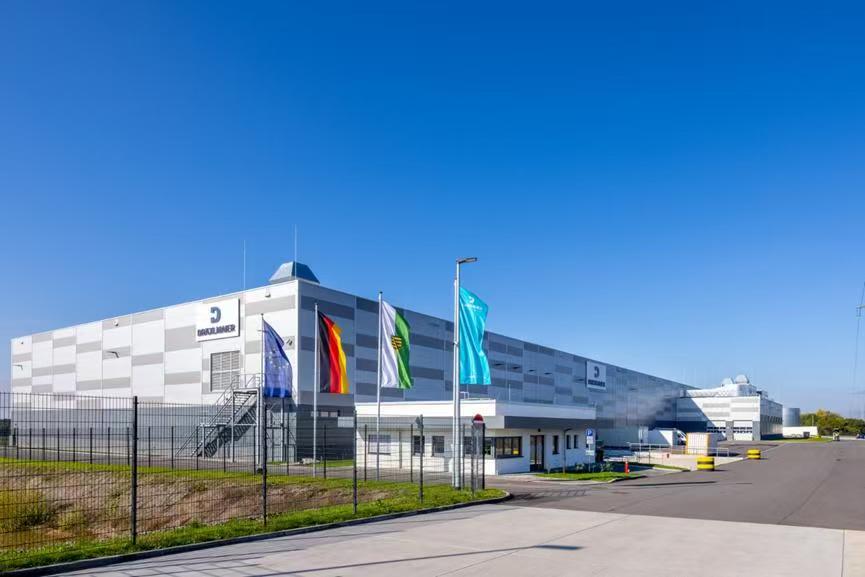
II. Europe: High-End R&D + Nearshore Low-Cost Manufacturing (≈26% of Global Capacity)
Western Europe (Germany): Technology Highland and Core of High-End Capacity
Bavaria and North Rhine-Westphalia are the core areas, where the global headquarters of Leoni, Draxlmaier and Kromberg & Schubert are located. It focuses on the R&D and high-end manufacturing of 800V high-voltage harnesses, high-speed Ethernet harnesses and aluminum wire lightweight technologies, supporting the core European factories of BMW, Mercedes-Benz and Volkswagen.
Eastern Europe: Europe’s Main Low-Cost Manufacturing Base
Hungary, Poland and Romania are the first choices for German enterprises’ wiring harness capacity transfer, undertaking about 60% of Europe’s conventional wiring harness capacity. With low labor costs, it realizes just-in-time (JIT) supporting services for Western European automakers.
North Africa: Europe’s Emerging Nearshore Supporting Zone
Relying on the EU’s zero-tariff advantage, Morocco and Tunisia have become the nearshore manufacturing bases for European automakers’ wiring harnesses. With labor costs only half of that in Eastern Europe, they are rapidly undertaking labor-intensive production capacity.
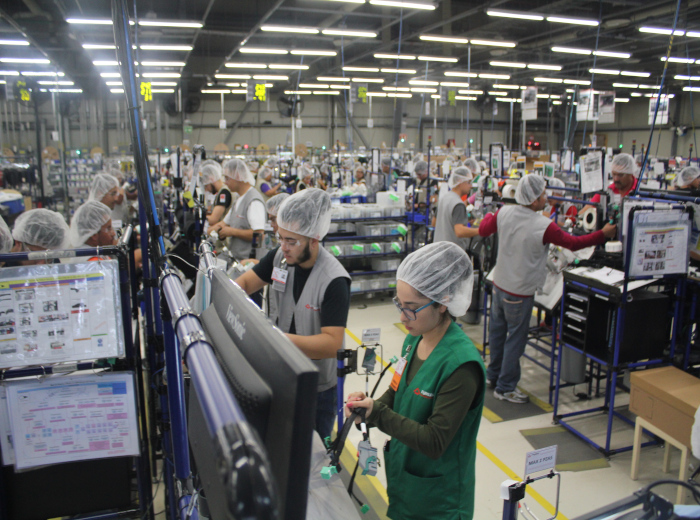
III. North America: High-End Layout + Low-Cost Supporting in Mexico (≈22% of Global Capacity)
USA: High-End R&D and Core Capacity
Michigan (the Motor City), Texas and California are the core areas, housing the global headquarters of Aptiv and Lear. It focuses on the R&D and high-end manufacturing of high-speed wiring harnesses for intelligent driving and high-voltage wiring harnesses for new energy vehicles, supporting the core local factories of Tesla, GM and Ford.
Mexico: The Pivotal Manufacturing Base for North American Wiring Harnesses
The core clusters are in northern Mexico (Juárez, Monterrey), undertaking the capacity transfer of American automakers and wiring harness enterprises. With low labor costs and superior geographical location, it has become the core wiring harness supporting base for North American vehicle factories, with production capacity expected to grow by 18% year-on-year in 2025.
IV. Other Regions: Regional Localized Supporting
South America
The core areas are São Paulo and Minas Gerais in Brazil, only serving the local South American production capacity of automakers such as Volkswagen, GM and Ford. With small production scale and low technical level, it mainly focuses on conventional low-voltage wiring harnesses.
Middle East & Australia
There are no large-scale wiring harness manufacturing bases, only a small number of assembly plants, and core wiring harness products rely on imports.
V. Core Distribution Trends
1. Graded Capacity Transfer: Labor-intensive conventional wiring harness capacity is shifting from China, Europe and the US to Southeast Asia, India and North Africa; high-value-added production capacity (800V high-voltage, high-speed Ethernet, lightweight wiring harnesses) remains concentrated in the core areas of China, Germany, Japan and the US.
2. Deepened Regional Supporting: The global layout of wiring harness factories closely aligns with automakers’ supply chains, forming three major regional supporting systems: North America-Mexico, Europe-Eastern Europe/North Africa, Asia-Pacific-China/Southeast Asia, reducing logistics costs and realizing just-in-time supply.
3. Global Layout of Leading Enterprises: Global leaders such as Yazaki, Sumitomo Electric, Aptiv and Leoni have realized hierarchical “R&D + manufacturing” layout in core bases of each region, not only closely meeting the needs of automakers, but also making full use of the cost advantages of various regions.