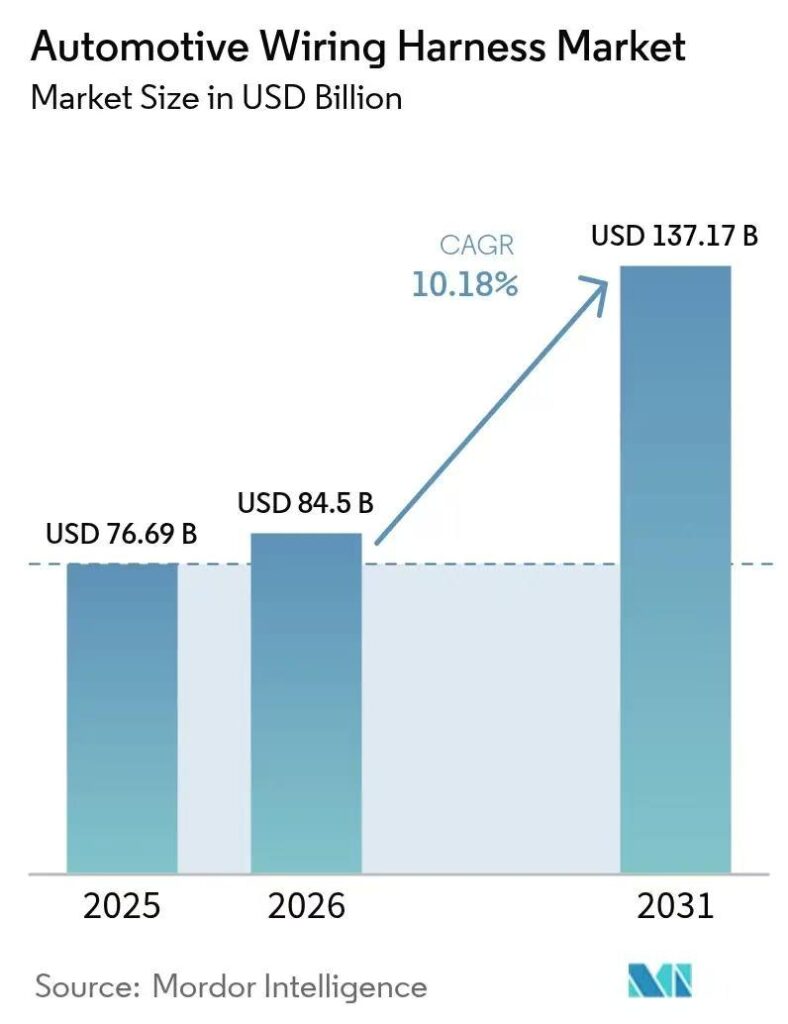
Otomotiv endüstrisi, elektrifikasyon, akıllı teknolojiler, bağlantı ve hafifleştirme odaklı köklü bir dönüşüm sürecinden geçmektedir. Tüm aracın “sinir sistemi” olarak görülen otomotiv kablo demetleri, uzun zamandır geleneksel alçak gerilim kablo bağlantılarının tek özelliğinden sıyrılmış ve yeni enerji araçlarının yüksek gerilim iletimi, akıllı sürüş için veri etkileşimi ve entegre araç tasarımına uyarlanmış temel bileşenler haline gelmiştir. Yakıtlı araçlardaki alçak gerilim kablo demetlerinden yeni enerji araçlarındaki yüksek gerilim kablo demetlerine, dağıtık kablolamadan alan kontrollü entegrasyona ve basit fiziksel bağlantılardan akıllı veri aktarımına kadar, otomotiv kablo demetlerinin teknolojik gelişimi ve endüstriyel modernizasyonu, otomotiv endüstrisinin üst düzey gelişimi için önemli bir destek haline gelmiştir. Yeni enerji araçlarının yaygınlaşma oranındaki sürekli artış ve L2+ ve üzeri akıllı sürüşün hızla hayata geçirilmesi bağlamında, otomotiv kablo demeti endüstrisi her yönüyle bir dönüşüm sürecine girmiştir. Yüksek gerilim, yüksek hız, entegrasyon ve dijitalleşme, sektörün temel gelişim yönleri haline gelmiş ve endüstri zincirinin rekabet yapısı da buna uygun olarak yeniden şekillenmiştir. Teknolojik Ar-Ge, büyük ölçekli üretim ve ekolojik işbirliği yeteneklerine sahip işletmeler, yeni gelişme fırsatlarını değerlendirecektir.
I. Elektrifikasyon Dalgası Altında, Yüksek Gerilim Kablo Demetleri Temel Kademeli Program'a Katılın
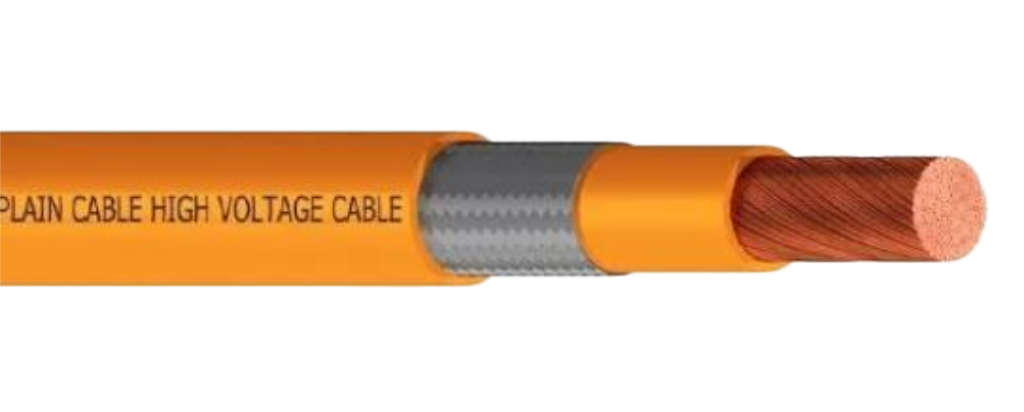
Yeni enerji araçlarının yaygınlaşması, otomotiv kablo demeti sektörünü “düşük gerilim döneminden” doğrudan “yüksek gerilim dönemine” taşımıştır. Yüksek gerilim kablo demetleri, yeni enerji araçlarının üç temel bileşeni olan güç pilleri, motorlar ve elektronik kontrol sistemleri arasında bağlantı görevi görür ve aynı zamanda şarj sistemleri ve klima sistemleri gibi yüksek gerilim yardımcı bileşenleri için de kilit destek parçalarıdır. Bu ürünlere yönelik pazar talebi, yeni enerji araçlarının üretim ve satış hacmiyle paralel olarak hızla artmaktadır. Geleneksel düşük voltajlı kablo demetleriyle karşılaştırıldığında, yüksek voltajlı kablo demetlerinin yüksek voltaj (600 V ve üzeri) ve yüksek akım iletim gereksinimlerini karşılaması gerekir; bu da sıcaklık ve voltaj direnci, yalıtım ve ekranlama ile yaşlanma direnci performansına ilişkin katı standartlar getirirken, aynı zamanda endüstri teknolojileri ve malzemelerinin kapsamlı bir şekilde modernize edilmesini de tetiklemektedir.
Günümüzde, 800V yüksek gerilim platformu, yeni enerji araç üreticileri için temel bir tasarım yönü haline gelmiştir. Yüksek gerilim hızlı şarj teknolojisinin uygulanması, yüksek gerilim kablo demetlerinin teknolojik yenilenmesini daha da hızlandırmıştır; bu durum, kablo demetlerinin yalnızca daha yüksek gerilim seviyelerine ve güç yoğunluğuna uyum sağlamasını değil, aynı zamanda hafifleştirme ve alan kullanımında da çığır açan gelişmeler elde etmesini gerektirmektedir. Silikon kauçuk ve çapraz bağlı polietilen gibi yüksek sıcaklık ve yüksek gerilime dayanıklı üst düzey yalıtım malzemeleri, yüksek gerilim kablo demetleri için ana akım seçenekler haline gelmiştir. Ekranlama katmanının tasarımı da geleneksel örgülü ekranlamadan alüminyum folyo + örgülü çift katmanlı ekranlamaya yükseltilmiştir; bu da elektromanyetik parazitin aracın elektronik sistemi üzerindeki etkisini etkili bir şekilde azaltmaktadır. Aynı zamanda, yüksek gerilim kablo demetlerinde entegre tasarım eğilimi de belirgindir. Soğutma boruları içeren kablo demetleri ve konektörlü kablo demetlerinden oluşan entegre çözümler sürekli olarak hayata geçirilmektedir; bu çözümler sadece araçtaki kablolama alanını azaltmakla kalmaz, aynı zamanda montaj süreçlerini ve maliyetlerini de düşürür, böylece işletmelerin maliyetleri azaltması ve verimliliği artırması için temel bir unsur haline gelir. Pazar yapısı açısından bakıldığında, yüksek gerilim kablo demetleri otomotiv kablo demeti endüstrisinde temel bir büyüme alanı haline gelmiştir; yeni enerji araç kablo demetlerinin maliyetinin %’sinden fazlasını oluşturmakta ve önde gelen kablo demeti şirketleri için rekabet edilmesi zorunlu bir alan haline gelmektedir.
II. Akıllı Teknolojilerin ve Bağlantı Olanaklarının Gelişmesi, Yüksek Hızlı ve Yüksek Frekanslı Kablo Demetlerine Yönelik Yeni Talepler Doğuruyor
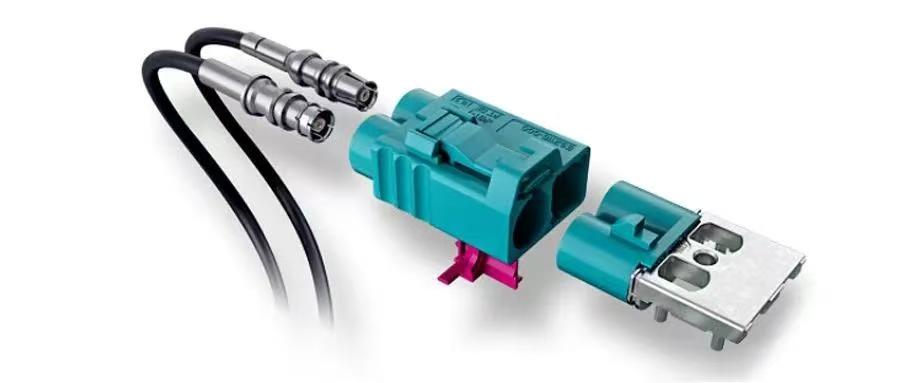
Yüksek gerilim kablo demetleri yeni enerji araçlarının “güç aktarımını” destekliyorsa, yüksek hızlı ve yüksek frekanslı kablo demetleri de akıllı araçların “veri etkileşimini” üstlenir. L2+ ve üzeri akıllı sürüşün hızla uygulanması, araç içi eğlence sistemlerinin güncellenmesi ve 5G-V2X araç-yol koordinasyon teknolojisinin gelişmesiyle birlikte, araçların yüksek hızlı, yüksek frekanslı, düşük gecikmeli ve yüksek güvenilirlikli veri iletimi gereksinimleri artmaya devam etmektedir. Geleneksel düşük hızlı kablo demetleri artık bu talebi karşılayamıyor ve Ethernet demetleri, FAKRA demetleri, HSD demetleri ve LVDS demetleri gibi yüksek hızlı kablo demetlerinin yaygınlık oranı hızla artıyor.
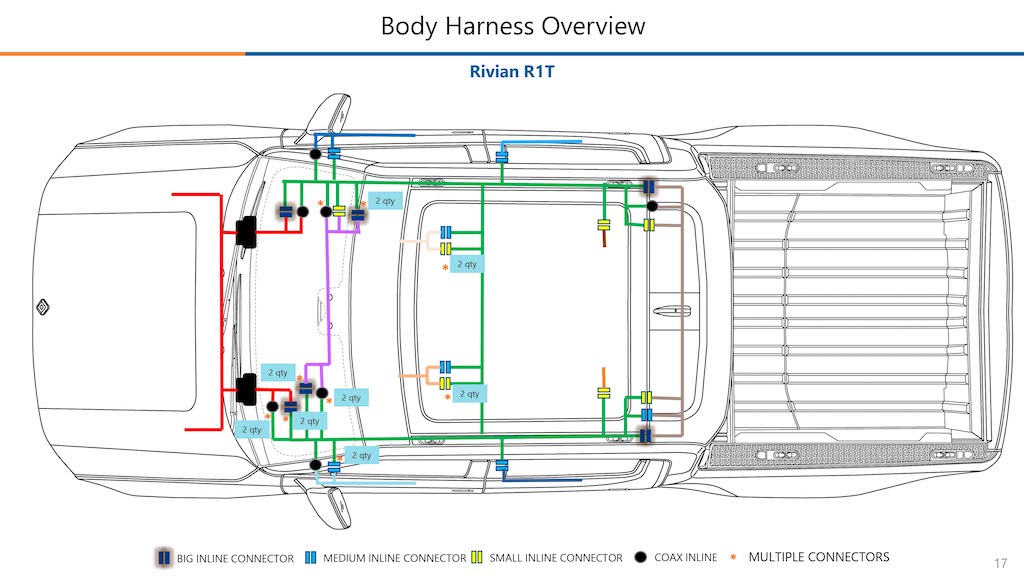
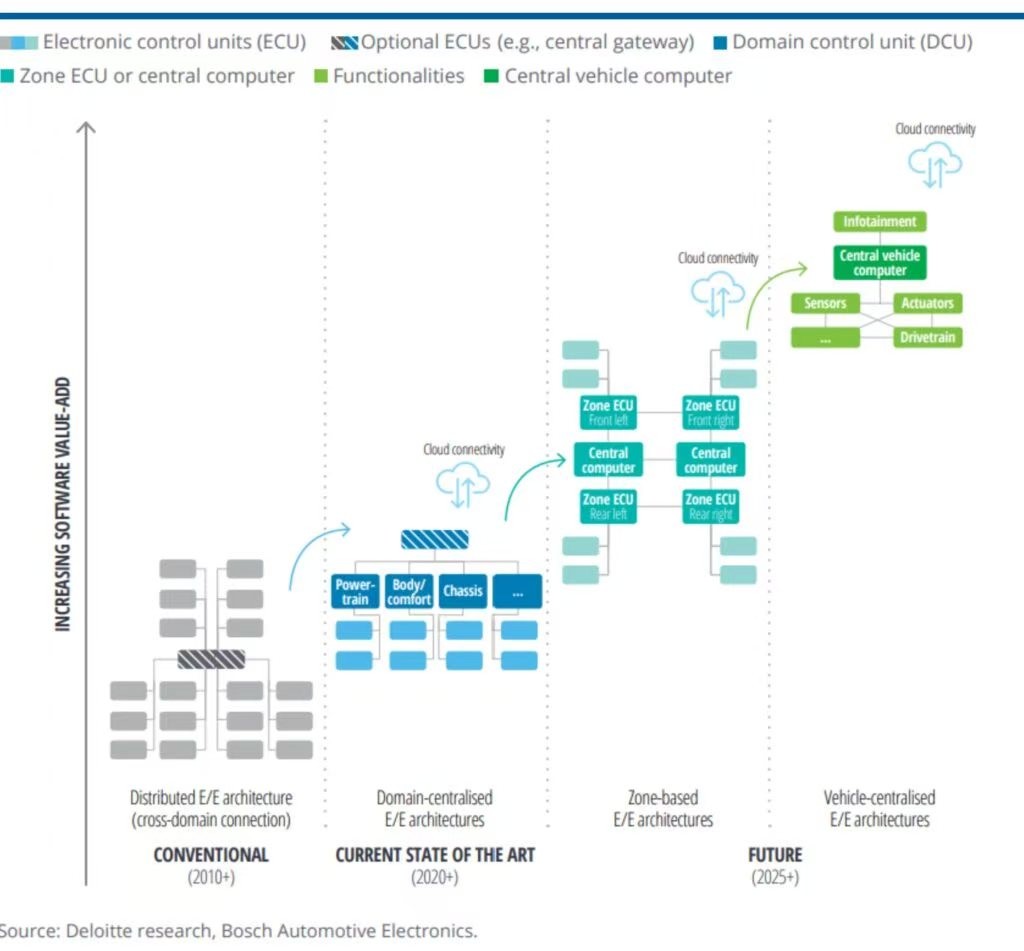
Aynı zamanda, otomotiv elektronik ve elektrik mimarisi, dağıtık yapıdan etki alanı denetleyicileri ve merkezi bilgi işlem platformlarına doğru dönüşüm geçirmektedir; bu değişim, kablo demeti düzeninin yeniden yapılandırılmasını doğrudan tetiklemiştir: geçmişteki “çok düğümlü, merkezi olmayan” kablolama modelinden “merkezi, modüler” modele doğru. Benzer işlevlere sahip kablo demetleri entegre bir şekilde tasarlanarak, araç kablo demetlerinin sayısı ve hacmi büyük ölçüde azaltılır ve kablolama verimliliği artırılır. Örneğin, akıllı sürüş alanının kablo demetinin, lidar, kameralar ve milimetre dalga radarları gibi sensörlerin iletim gereksinimlerini entegre etmesi gerekir; bu da, sensörlerin minyatürleştirilmiş ve entegre düzenine uyum sağlarken, yüksek hızlı kablo demetlerinin elektromanyetik radyasyona ve titreşime karşı koruma performansına sahip olmasını gerektirir. Buna ek olarak, Araçlar Arası İnternet’in derinlemesine gelişimi, otomobilleri mobil bir “akıllı terminal” haline getirmiştir. Araç içi kablo demetleri, yalnızca araç içindeki veri etkileşimini karşılamakla kalmamalı, aynı zamanda harici baz istasyonları, şarj istasyonları ve diğer araçlarla iletişim uyumluluğunu da sağlamalıdır. Parazit önleme ve yüksek kararlılık, yüksek hızlı kablo demetlerinin tasarımında temel unsurlar haline gelmiştir. Yüksek hızlı kablo demetlerinin geliştirilmesi, sadece demetlerin kendilerinin teknolojik olarak iyileştirilmesini desteklemekle kalmamış, aynı zamanda kablo demetlerinin araç içi yongalar, sensörler ve iletişim modülleriyle uyumlu bir şekilde entegre edilmesini de kolaylaştırarak akıllı araçların geliştirilmesi için önemli bir temel oluşturmuştur.
III. Sektörde Maliyet Azaltma ve Verimlilik Artırmanın Temel Yönü Olarak Hafifleştirme ve Entegrasyon
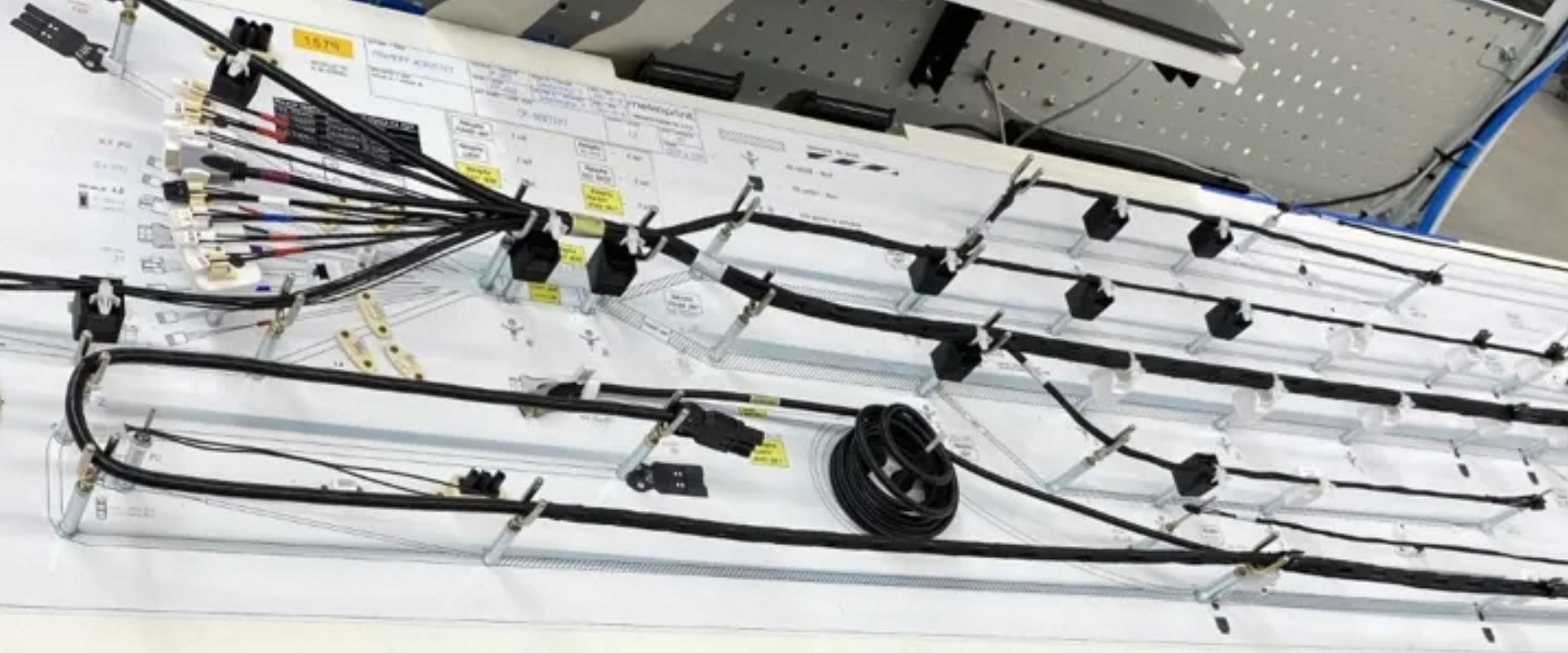
Araçların hafifletilmesi, otomotiv endüstrisinin enerji tasarrufu ve tüketim azaltımı sağlaması ile menzilini artırması için önemli bir yoldur. Bu talep, otomotiv kablo demeti endüstrisine tam olarak yansımıştır; hafifleştirme ve entegrasyon, kablo demeti üreticilerinin maliyetleri düşürmesi, verimliliği artırması ve pazardaki rekabet gücünü güçlendirmesi için temel yönelimler haline gelmiştir ve malzeme seçimi, ürün tasarımı ile üretim ve imalat süreçlerinin tamamını kapsamaktadır.
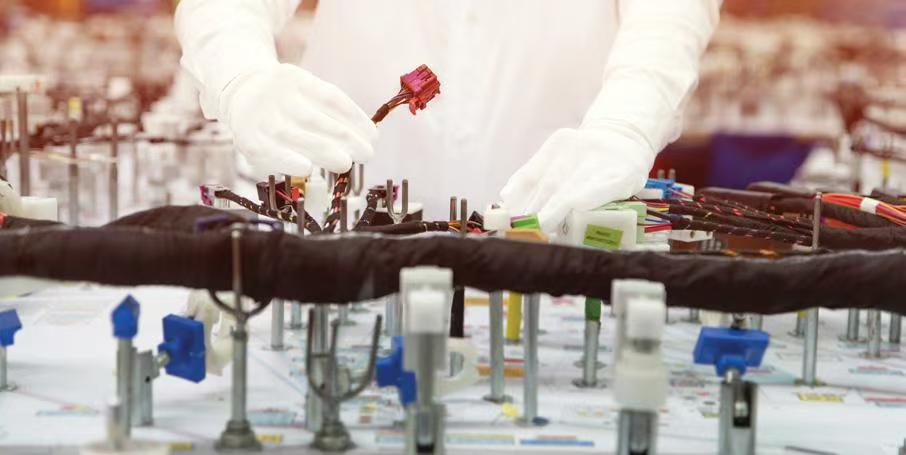
Malzeme hafifletme açısından, bakır tellerin alüminyum tellerle değiştirilmesi, orta ve düşük gerilim uygulamalarında önemli bir eğilim haline gelmiştir. Elektrik iletkenliğini sağlama öncülüğünde, alüminyum teller bakır tellere göre yaklaşık daha hafiftir ve hammadde maliyetleri daha düşüktür. Şu anda, yeni enerji araçlarının gövde kablo demetleri ve şasi kablo demetleri gibi orta ve düşük gerilim alanlarında yaygın olarak kullanılmaktadır. Aynı zamanda, ince cidarlı kabloların ve minyatürleştirilmiş konektörlerin kullanımı hızla yaygınlaşmaktadır. İnce cidarlı kabloların yalıtım tabakasının kalınlığı daha da azaltılarak, performanstan ödün vermeden kablo demetlerinin hacmi düşürülmektedir. Minyatürleştirilmiş konektörler, araç elektronik bileşenlerinin entegre düzenine uyum sağlar ve alan kullanımını iyileştirir. Ürün entegrasyonu açısından, “kablo demeti + konektör + sensör + işlevsel modül”den oluşan entegre bileşenler ana akım haline gelmiştir. Örneğin, kablo demetlerinin kapı kontrol modülleri ve koltuk ayar modülleriyle entegre edilmesi, sadece araç montaj süreçlerini ve süresini kısaltmakla kalmaz, aynı zamanda kablo demeti bağlantılarının arıza oranını da düşürür. Buna ek olarak, kablo demeti üreticileri, araç şasisi, gövdesi ve batarya paketlerinin tasarımıyla birleştirilmiş özelleştirilmiş kablo optimizasyonu gerçekleştirmek üzere araç üreticileriyle derinlemesine işbirliği yapmaktadır. Kablo uzunluğunu kısaltarak ve kablo yollarını optimize ederek, kablo demeti gruplarının hacmi ve ağırlığı ikili olarak azaltılır; bu da, yeni enerji araçlarının akü paketlerinin çok fazla yer kaplamasının ardından ortaya çıkan araç düzeni taleplerine uyum sağlar. Hafifleştirme ve entegrasyonun bir araya getirilmesi, sadece otomotiv üreticilerinin temel ihtiyaçlarını karşılamakla kalmaz, aynı zamanda otomotiv kablo demeti endüstrisini “tek ürün tedariki”nden “özel çözüm tedariki”ne doğru dönüştürür.